Stop Chasing Payments: 8 Freelancer-Proven Systems to Get Paid 60% Faster
Learn practical systems to reduce late payments, optimize invoicing, and maintain cash flow as a freelancer using tools like Mewayz to automate collections.
Mewayz Team
Editorial Team
You deliver exceptional work, meet every deadline, and communicate flawlessly with clients. Yet, 57 days later, you’re still sending polite—then increasingly firm—reminders for that $2,500 invoice. This scenario drains more than just your bank account; it depletes your creative energy, damages client relationships, and turns your passion project into a collections agency. The truth is, getting paid isn't just about doing great work—it's about implementing professional systems that make timely payment the easiest path for your client.
For the 70 million freelancers in the U.S. and millions more globally, cash flow isn't just a business metric; it's survival. When you're waiting on payments, you're essentially extending interest-free loans to clients while your own bills pile up. The average freelancer spends 15 hours per month chasing invoices, time that could be spent on billable work or business development. This guide moves beyond generic advice to deliver concrete, actionable systems used by top-earning freelancers to slash payment cycles, reduce administrative headaches, and build financial stability. We'll explore everything from psychological pricing strategies to automated collection workflows, showing you how to transform your payment process from a source of stress into a competitive advantage.
1. The Foundation: Setting Clear Payment Terms Before Work Begins
The journey to faster payment begins before you write a single line of code, design a single logo, or draft a single sentence. Ambiguity during the proposal phase creates payment delays later. Your engagement terms should be as detailed as your project scope. Top freelancers treat payment terms as non-negotiable business policies, not flexible suggestions open to client interpretation.
Specifically, your contract or statement of work should explicitly state: payment schedule (e.g., 50% upfront, 50% on delivery), exact due dates or net terms (Net 7, Net 15), accepted payment methods (bank transfer, PayPal, credit card), late payment fees (typically 1.5% monthly interest or a flat fee), and the process for scope changes. When clients sign a document with these terms, they're psychologically committing to your payment timeline. Research shows that freelancers who use detailed contracts with clear payment terms get paid 40% faster than those who work on verbal agreements or vague emails.
Psychological Anchoring in Your Proposals
How you present pricing matters. Instead of burying payment terms in fine print, integrate them prominently into your proposal. Use language like "Investment: $5,000" rather than "Cost: $5,000" to frame the payment as value exchange. When discussing timelines, state "Payment is due within 7 days of invoice receipt" rather than asking "When can you pay?" This establishes professional norms from the outset.
2. The Invoice Itself: Designing for Immediate Payment
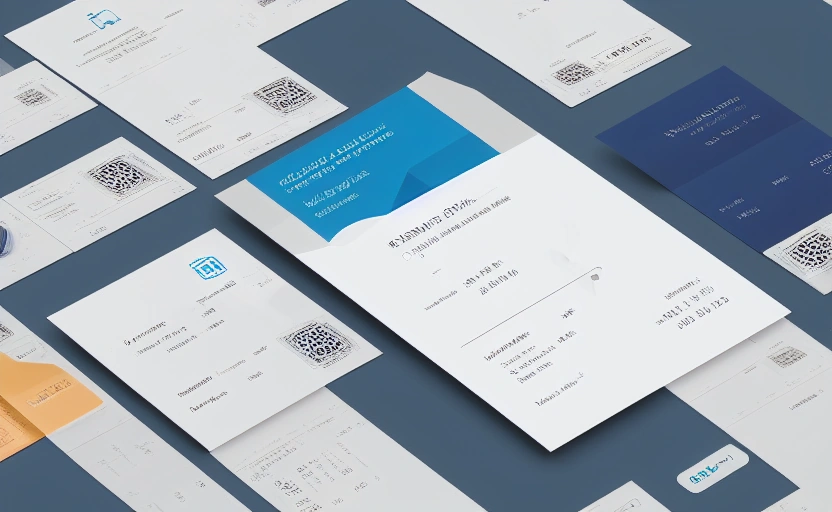
Your invoice is a conversion document—its purpose is to trigger immediate payment. Yet most freelancers treat it as a basic receipt. A poorly designed invoice creates friction: unclear amounts, missing information, or complicated payment instructions. Optimize every element to reduce cognitive load for the person approving payment.
- Professional Branding: Include your logo, business name, and contact information. This builds trust and makes your invoice appear legitimate to accounting departments.
- Extreme Clarity: Break down services with clear line items. Instead of "Website Design - $3,000," list "Homepage Wireframing," "Mobile Responsive Development," "Content Integration." This justifies your value.
- Unmissable Due Date: Place the due date prominently in bold, with the exact date ("Due: November 15, 2023") rather than just "Net 15."
- Multiple Payment Links: Include direct, clickable payment links for every method you accept—PayPal, Stripe, bank transfer details. The fewer steps between receiving the invoice and completing payment, the better.
- Early Payment Incentive: Consider offering a small discount (1-2%) for payment within 48 hours. The psychology of "saving money" often accelerates approval.
Platforms like Mewayz transform this process with professional invoice templates that auto-populate client details, calculate taxes, and include payment gateways directly in the document. When clients receive a polished, easy-to-pay invoice, they perceive you as an established professional, not someone they can delay paying.
3. The Timing Strategy: When and How Often to Invoice
Traditional monthly invoicing at project completion is the single biggest cause of cash flow problems for freelancers. You complete a 3-month project, send one large invoice, and wait 30+ days while covering all expenses yourself. The solution is milestone-based or recurring billing that aligns payments with your cash outflows.
For project work, break payments into multiple milestones tied to concrete deliverables. A common structure is: 30-50% deposit to start, 25-35% upon approval of initial drafts/wireframes, and the remainder upon final delivery. This ensures you're never financing more than a few weeks of work. For retainer or ongoing work, invoice at the beginning of the month for that month's services, not at the end. This positions payment as prepayment for services to be rendered, which many clients accept as standard practice for subscriptions.
The Psychology of Smaller, Frequent Invoices
Smaller, more frequent invoices get approved faster than large, infrequent ones. A $500 invoice often bypasses additional approval layers that a $5,000 invoice triggers. Accounting departments are accustomed to processing regular smaller payments. By aligning your invoicing rhythm with their payment cycles, you become part of their regular workflow rather than an exception.
4. Automation: The Freelancer's Secret Weapon
Manual invoicing and follow-up consumes hours you'll never bill for. Automation transforms you from collections agent back to service provider. The most effective freelancers automate their entire payment workflow:
- Automated Invoice Generation: Set up templates that pull project details, client information, and payment terms automatically.
- Scheduled Sending: Invoices go out automatically on specific dates or when milestones are marked complete.
- Automated Reminders: Gentle reminders sent 3 days before due date, on the due date, and at 7, 14, and 30 days late—all with pre-written, professional language.
- Payment Receipt Confirmation: Automatic thank-you emails and receipts when payment is received.
- Late Fee Application: Automatic addition of late fees according to your contract terms after a grace period.
The freelancer who automates their payment workflow gains back an average of 10 billable hours per month while reducing average payment time from 45 to 18 days.
With Mewayz's invoicing module, you can create these automated workflows in minutes, connecting your project management, time tracking, and payment systems into a seamless financial engine. This isn't just about efficiency—it's about consistency. Automated reminders never forget, never get emotional, and never damage client relationships with awkward "checking in again" messages.
5. The Payment Follow-Up System That Actually Works
Despite clear terms and perfect invoices, some payments will still be late. Having a systematic, escalating follow-up process prevents you from reacting emotionally or letting payments slide indefinitely. The key is progression from assumption of oversight to firm enforcement of terms.
Step 1: The Gentle Nudge (3 days before due date)
Subject: Friendly Reminder: Invoice #123 Due Soon
Content: "Hi [Name], hope you're well! Just a quick note that invoice #123 for [project/service] is due this Friday, November 15. The payment link is here: [link]. Let me know if you need anything from me to process this!"
Step 2: The Due Date Reminder (On due date)
Subject: Invoice #123 Due Today
Content: "Hi [Name], confirming that invoice #123 is due today. Payment can be made via [link]. Please confirm once sent so I can mark it complete on my end."
Step 3: The Past Due Notice (3-7 days late)
Subject: IMPORTANT: Invoice #123 Past Due
Content: "Hi [Name], I haven't received payment for invoice #123, which was due on [date]. Per our agreement, a [1.5%] late fee will be applied on [date 30 days from original due date]. Please arrange payment at your earliest convenience via [link]."
Step 4: The Escalation (15+ days late)
This moves from the primary contact to accounting or a supervisor, referencing your contract terms and indicating that work cannot continue until payment is received.
Each step should be templated, professional, and increasingly firm. By having this system, you avoid the anxiety of crafting each follow-up from scratch and ensure you're consistently enforcing your terms.
6. Offering Multiple, Frictionless Payment Options
Every additional step between your invoice and completed payment increases the likelihood of delay. If you only accept checks, you're dependent on mail delivery, processing time, and potential loss. Modern freelancers offer at least three payment options to accommodate different client preferences and accounting systems.
- Credit/Debit Cards: Through Stripe, PayPal, or Square. Clients appreciate earning rewards points, and you get payment in 1-2 days.
- Bank Transfers (ACH): Lower fees (often under 1%) and direct to your business account. Ideal for larger payments.
- Digital Wallets: PayPal, Venmo (for smaller payments), or regional equivalents like GCash in Southeast Asia.
- Platform-Specific Payments: If you work through Upwork, Fiverr, or similar, understand their payment schedules and fees.
Each payment method should have a direct, one-click link in your invoice. Mewayz integrates with multiple payment gateways, allowing clients to choose their preferred method while all payments funnel into your unified financial dashboard. Remember to factor processing fees (2-3% for cards, less for ACH) into your pricing or clearly state who covers them.
7. Financial Visibility: Forecasting and Managing Cash Flow
Getting paid faster isn't just about individual invoices—it's about understanding your overall cash flow patterns. When you can predict when money will arrive, you can make smarter business decisions, plan for taxes, and avoid emergency situations. Implement a simple but effective cash flow forecasting system.
💡 DID YOU KNOW?
Mewayz replaces 8+ business tools in one platform
CRM · Invoicing · HR · Projects · Booking · eCommerce · POS · Analytics. Free forever plan available.
Start Free →At minimum, maintain three lists: (1) Invoices sent with due dates and amounts, (2) Expected payments this month based on historical client payment patterns, and (3) Upcoming expenses (software, contractors, taxes). Review this weekly to identify potential gaps. Many freelancers discover that 80% of their late payments come from 20% of their clients—identifying these patterns lets you address the root cause, whether it's a particular client type, project size, or industry.
Tools like Mewayz provide dashboards that show outstanding invoices, expected cash flow for the next 30-60-90 days, and client payment history. This visibility transforms you from reactive to proactive. If you see a potential shortfall next month, you can follow up on specific invoices earlier or adjust your project scheduling.
8. When to Escalate: Dealing with Chronically Late or Non-Paying Clients
Despite perfect systems, some clients will consistently pay late or not at all. Your response to these situations defines your business boundaries and protects your livelihood. First, analyze the cost: Is the revenue worth the collection effort and stress? Sometimes firing a client who pays 90 days late is more profitable than keeping them, freeing up time for better clients.
For clients you want to keep but need to correct, schedule a direct conversation (not email). Say, "I've noticed your payments typically come in around 60 days, but my terms are Net 15. This creates cash flow challenges for my business. Can we problem-solve together? Would automated payments or different milestones work better for your process?" This collaborative approach often reveals internal approval bottlenecks you can help them navigate.
For clients who simply won't pay, know your escalation options in order of increasing intensity: (1) Formal demand letter referencing contract terms, (2) Small claims court for amounts under $10,000 (varies by location), (3) Collection agency (typically take 25-50% of collected amount), (4) Legal action for larger amounts. Document everything—contracts, invoices, follow-ups, communications. Many freelancers hesitate to escalate, but pursuing legitimate claims maintains industry standards and prevents clients from exploiting others.
Your Action Plan: Implementing These Systems in 7 Days
Reading about systems is one thing; implementing them is another. Use this 7-day plan to transform your payment process:
Day 1: Audit your current process. How many days do invoices typically take to pay? Which clients are consistently late? What payment methods do you offer?
Day 2: Update your contract template with clear payment terms: schedule, due dates, late fees, payment methods. Create or find a professional invoice template.
Day 3: Set up payment gateways for at least two methods (e.g., Stripe for cards, bank transfer). Integrate them with your invoicing system.
Day 4: Create your follow-up email templates for pre-due, due, and late invoices. Save them in a document or email template folder.
Day 5: Implement milestone billing for your next project. Break it into at least two payments instead of one at the end.
Day 6: Set up a simple cash flow tracking system—spreadsheet or tool like Mewayz—to record sent invoices and expected payments.
Day 7: Apply your new system to your next invoice. Notice the reduction in mental energy spent worrying about payment.
As you implement these systems, you'll notice a fundamental shift: from hoping clients pay to expecting timely payment as the natural outcome of your professional process. The hours you save on chasing invoices become hours for higher-value work, business development, or simply maintaining the work-life balance that drew you to freelancing. Your financial stability increases, reducing the stress of irregular income. Most importantly, you establish yourself as a true professional whose time and expertise command respect—starting with how and when you get paid.
The future of freelancing belongs to those who master both their craft and their business operations. Payment systems aren't administrative overhead; they're the foundation upon which sustainable creative careers are built. As you refine your approach, you'll find that clients who value your work also value respecting your payment terms—and those who don't self-select out of your roster, leaving you with better partnerships, predictable income, and more energy for the work you love.
Frequently Asked Questions
What's the single most effective change to get paid faster as a freelancer?
Implementing milestone billing with a 30-50% deposit upfront reduces your financial risk and aligns payments with deliverables, cutting average payment time by 40-60% compared to invoicing only at project completion.
Should I charge late fees for overdue invoices?
Yes, but only if clearly stated in your signed contract. A 1.5% monthly interest charge or flat fee after 15-30 days past due creates psychological urgency and compensates you for collection efforts while remaining legally enforceable.
How many payment methods should I offer clients?
Offer at least three options including credit/debit cards, bank transfers, and one digital wallet like PayPal. Multiple frictionless options accommodate different client accounting systems and reduce payment delay by eliminating "I can't pay that way" excuses.
What should I do if a good client starts paying late consistently?
Schedule a direct conversation to problem-solve collaboratively, asking if different payment schedules or automated payments would work better for their process while explaining how late payments impact your business operations.
Can automation really help with freelance payments?
Absolutely. Automated invoice generation, scheduled sending, and templated follow-up sequences can save 8-12 hours monthly on administrative tasks while ensuring consistent, professional communication that reduces average payment time from 45+ days to under 20 days.
Streamline Your Business with Mewayz
Mewayz brings 208 business modules into one platform — CRM, invoicing, project management, and more. Join 138,000+ users who simplified their workflow.
Start Free Today →Try Mewayz Free
All-in-one platform for CRM, invoicing, projects, HR & more. No credit card required.
Related Guide
Mewayz for Freelancers →Pipeline tracking, client invoicing, project management, and proposals — for independent professionals.
Get more articles like this
Weekly business tips and product updates. Free forever.
You're subscribed!
Start managing your business smarter today
Join 30,000+ businesses. Free forever plan · No credit card required.
Ready to put this into practice?
Join 30,000+ businesses using Mewayz. Free forever plan — no credit card required.
Start Free Trial →Related articles

Creator Tools
How To Write A Freelance Proposal That Wins Every Time
Mar 15, 2026
Creator Tools
The Complete Guide To Getting Paid Faster As A Freelancer
Mar 15, 2026

Creator Tools
The Creator Economy Toolkit: Essential Free Tools For 2026
Mar 15, 2026

Creator Tools
How To Price Your Freelance Services Without Undercharging
Mar 15, 2026
Creator Tools
From Clicks to Contracts: 7 Steps Every YouTuber Needs to Build a Sustainable Business
Mar 13, 2026

Creator Tools
The Freelance Proposal Formula: 11 Steps to Win More Clients & Higher Rates
Mar 13, 2026
Ready to take action?
Start your free Mewayz trial today
All-in-one business platform. No credit card required.
Start Free →14-day free trial · No credit card · Cancel anytime